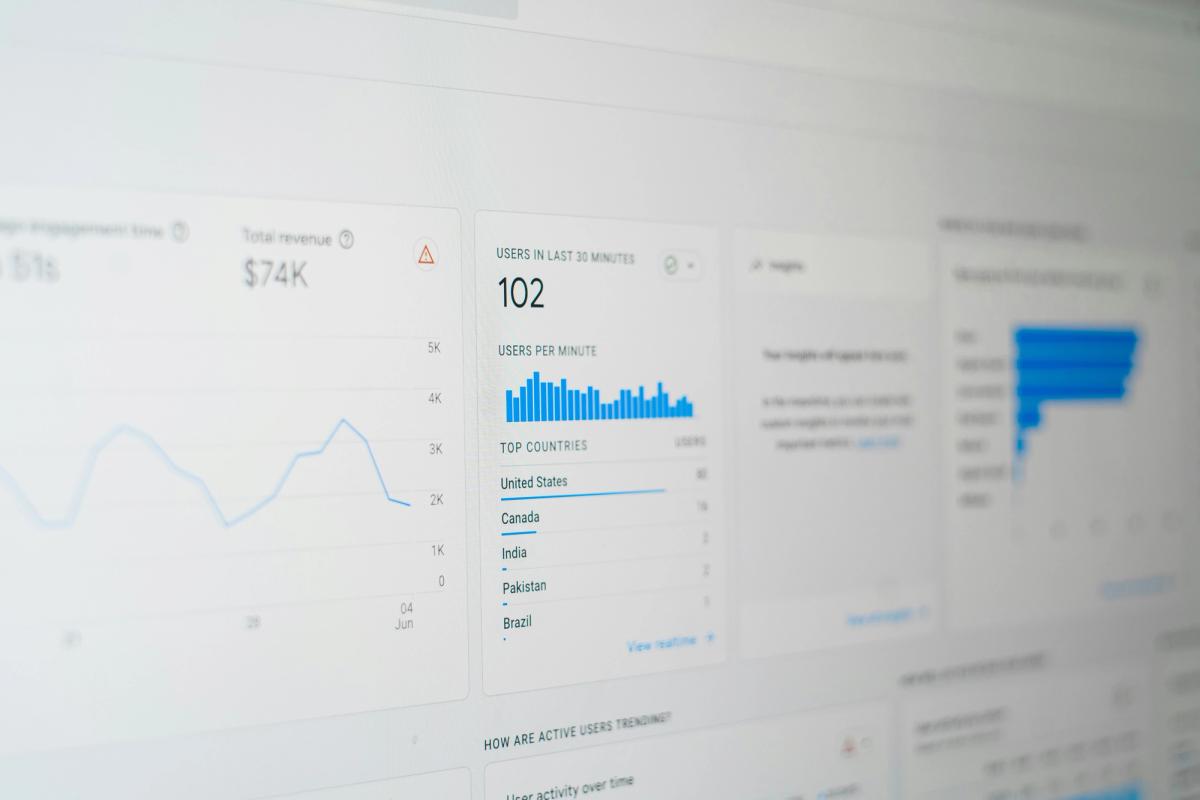
Microsoft's new Power BI Agentic tooling isn't really an AI upgrade. It's a codified standard for what good semantic model and report delivery looks like, enforced automatically whether a person or an agent is building it.
Microsoft has quietly released a new set of capabilities under the banner “Power BI Agentic”. On the surface it looks like another AI coding feature: a plugin that lets AI agents help build Power BI semantic models and reports. Look a little closer and it’s really a statement about what good Power BI delivery is supposed to look like, whether a person or an agent is doing the building.
What it actually does
The release has two parts.
- The first is a set of “skills”: written instructions covering star schema design, DAX patterns, PBIP project structure, and how a report file should be validated before it’s considered finished. These aren’t tips. They’re a codified definition of what a well-built semantic model or report is meant to look like.
- The second is a set of “tools”: an MCP server that lets an agent inspect a data model and run DAX queries against it, plus a Desktop Bridge that lets the agent drive Power BI Desktop directly, reloading the model and checking the result with a screenshot before it moves on.
Put together, an AI agent using this can do more than suggest a formula in isolation. It can build a model against a defined standard, check its own output, and correct it before a human ever sees a mistake.
Why that matters more than the “AI” part
Most Power BI work that goes wrong doesn’t go wrong because nobody knew the right approach. It goes wrong because the right approach wasn’t applied consistently, particularly under deadline pressure, across a large team, or across a long-running engagement with several people touching the same model over time.
What Microsoft has effectively done is take the accumulated best practice of good Power BI development and turn it into something that can be checked and enforced automatically, every time, rather than relying on a senior developer catching the drift in a code review.
That’s the real shift. Not “AI can write DAX now”. It’s “the standard can now be enforced consistently, at scale, without depending entirely on individual discipline”.
Why this validates the direction we’ve already taken
We came to the same conclusion from a different direction. Over the past year we’ve been building our own internal delivery accelerator: a codified set of patterns, checks and standard components that every Power BI and Fabric engagement is built from, rather than each project starting from a blank canvas and a developer’s personal habits.
Seeing Microsoft formalise the same idea, codify the standard, then use tooling to apply and check it consistently, is a good sign we’re pointed the right way. It’s consistent with what we’ve said about why your semantic model just became more important, not less. It also means the ceiling on what “consistent quality” can look like across a large Power BI estate has just moved. Agent tooling that can verify its own work against a defined standard is a meaningfully different proposition to an agent that just generates plausible-looking DAX and hopes for the best.
What this means if you’re evaluating Power BI delivery
If you’re assessing an internal team or a delivery partner, this is a good moment to ask a slightly different question. Not “can you build me a nice-looking report”, but “what does your build process actually check for, and does it happen the same way regardless of who’s doing the work or how busy the team is that week”.
That question matters more as organisations put AI-assisted development into the mix. As we’ve argued before, you can build a dashboard in twenty minutes, that’s the easy part. Tooling like this can raise the floor on quality, but only if it’s sitting on top of a genuinely well-designed semantic model and a data foundation that’s actually governed. Agentic tooling that verifies DAX syntax won’t tell you if your star schema is wrong, your source data isn’t trusted, or your Fabric platform isn’t set up to scale. That’s a data estate conversation, not a dashboard one.
That’s the conversation we’d rather have with clients: not “can you build us a Power BI report”, but “is our data estate, from source systems through to the semantic layer, built well enough that whatever builds on top of it, human or agent, produces something we can trust”.
If that’s a conversation worth having, get in touch at hello@hoptonanalytics.com or visit hoptonanalytics.com.
Craig Daniels
Senior Analytics Solutions Consultant
Part of the Hopton Analytics team, delivering governed analytics programmes for UK mid-market organisations.